The Chinese Communist Party came to power in 1949, under the leadership of Mao Zedong, with the promise of a better life. In the turbulent decades that followed, China underwent profound political and social upheaval before the reforms of the post-Mao era unleashed an extraordinary economic transformation, generating wealth beyond the wildest dreams of the founders of the People’s Republic. As Chinese prosperity grew, and with it the nation’s role of the world stage, the Party and its doctrine remained at the epicentre of power and prestige.
Under Xi Jinping, that fact has become impossible to overlook. The Party directs not only political life, but an increasingly coordinated national effort encompassing economic development, technology, education, national security, diplomacy and military power. And the ambitions behind that effort no longer stop at China’s borders.
In Forging Order, editors Peter Mattis and Arran Hope offer a new understanding of what China has become and where the Party is headed. The book brings the best of the Jamestown Foundation’s researcher along with a deft narrative that gives readers and an in depth understanding of what China really is under the CCP. and Xi. Under Chairman Xi, Beijing has intensified its pursuit of a longstanding measure of national strength: Comprehensive National Power. Military might, industrial innovation, and an ever-evolving social world all play a part in China’s bid for dominance on the world stage, with Hope and Mattis tracing how everything from Belt & Road projects in Africa, incursions in Taiwan, and the cold war of artificial intelligence form a complex strategy.
Not all of Beijing’s instruments of power, however, are so visible. The book also examines the United Front Work Department (UFWD) and the networks through which the Party seeks to extend its influence beyond China’s borders, cultivating relationships, shaping perceptions and building constituencies sympathetic to Beijing’s interests. In democratic societies, these activities reach into political, business and community life, raising difficult questions about foreign influence and the resilience of open institutions.
Carefully crafted from generations of CCP doctrine, Comprehensive National Power attacks modern conflicts with Party tradition, forging a future governed by order, unity, and above all else, an unflinching allegiance to the state, where progress comes before freedom at all costs. Already, China’s boom has presented a major shift away from the influence of the democratic world. Now, uniting dozens of disparate elements in the race for global hegemony, Beijing is creating a blueprint for power that the West is only beginning to understand, one where power and the Party are two sides of the same coin.
As China and the West hurtle ever closer towards one another, understanding Comprehensive National Power could prove the key to unlocking the People’s Republic’s vision for the future, and the new world order that comes with it. In Forging Order, Mattis and Hope show that until the United States and its allies understand China as Beijing understands itself, it cannot fully recognize the nature of the battle it is fighting. Understanding that strategy is only the beginning. More than merely an analysis of Chinese governance, Forging Order describes the challenge posed to democratic nations by an increasingly powerful authoritarian state, and demonstrates the urgent need for democracies to work together to protect the institutions on which open societies depend.
The Chinese Communist Party came to power in 1949, under the leadership of Mao Zedong, with the promise of a better life. In the turbulent decades that followed, China underwent profound political and social upheaval before the reforms of the post-Mao era unleashed an extraordinary economic transformation, generating wealth beyond the wildest dreams of the founders of the People’s Republic. As Chinese prosperity grew, and with it the nation’s role of the world stage, the Party and its doctrine remained at the epicentre of power and prestige.
Under Xi Jinping, that fact has become impossible to overlook. The Party directs not only political life, but an increasingly coordinated national effort encompassing economic development, technology, education, national security, diplomacy and military power. And the ambitions behind that effort no longer stop at China’s borders.
In Forging Order, editors Peter Mattis and Arran Hope offer a new understanding of what China has become and where the Party is headed. The book brings the best of the Jamestown Foundation’s researcher along with a deft narrative that gives readers and an in depth understanding of what China really is under the CCP. and Xi. Under Chairman Xi, Beijing has intensified its pursuit of a longstanding measure of national strength: Comprehensive National Power. Military might, industrial innovation, and an ever-evolving social world all play a part in China’s bid for dominance on the world stage, with Hope and Mattis tracing how everything from Belt & Road projects in Africa, incursions in Taiwan, and the cold war of artificial intelligence form a complex strategy.
Not all of Beijing’s instruments of power, however, are so visible. The book also examines the United Front Work Department (UFWD) and the networks through which the Party seeks to extend its influence beyond China’s borders, cultivating relationships, shaping perceptions and building constituencies sympathetic to Beijing’s interests. In democratic societies, these activities reach into political, business and community life, raising difficult questions about foreign influence and the resilience of open institutions.
Carefully crafted from generations of CCP doctrine, Comprehensive National Power attacks modern conflicts with Party tradition, forging a future governed by order, unity, and above all else, an unflinching allegiance to the state, where progress comes before freedom at all costs. Already, China’s boom has presented a major shift away from the influence of the democratic world. Now, uniting dozens of disparate elements in the race for global hegemony, Beijing is creating a blueprint for power that the West is only beginning to understand, one where power and the Party are two sides of the same coin.
As China and the West hurtle ever closer towards one another, understanding Comprehensive National Power could prove the key to unlocking the People’s Republic’s vision for the future, and the new world order that comes with it. In Forging Order, Mattis and Hope show that until the United States and its allies understand China as Beijing understands itself, it cannot fully recognize the nature of the battle it is fighting. Understanding that strategy is only the beginning. More than merely an analysis of Chinese governance, Forging Order describes the challenge posed to democratic nations by an increasingly powerful authoritarian state, and demonstrates the urgent need for democracies to work together to protect the institutions on which open societies depend.

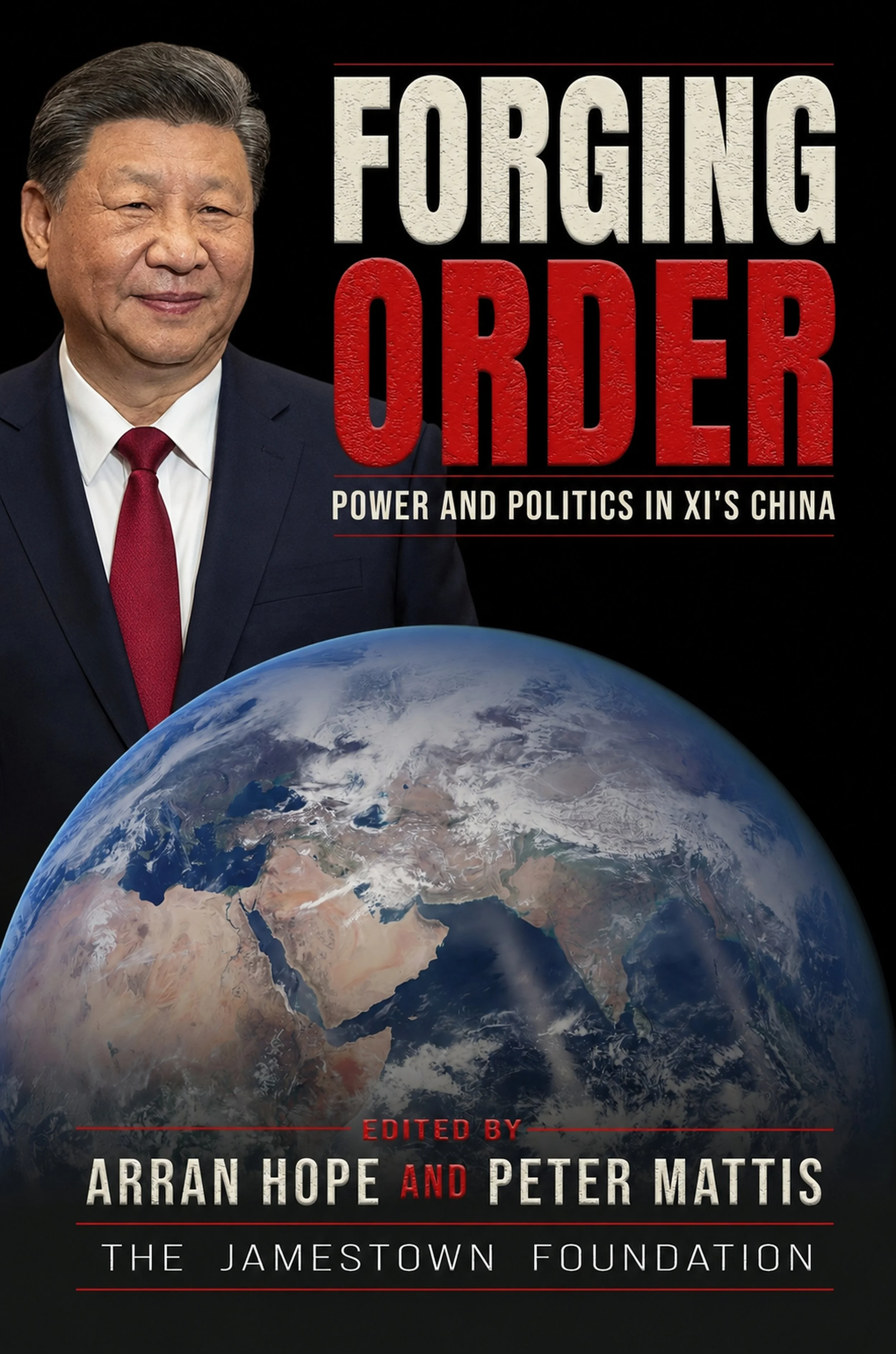 Image 1 of 1